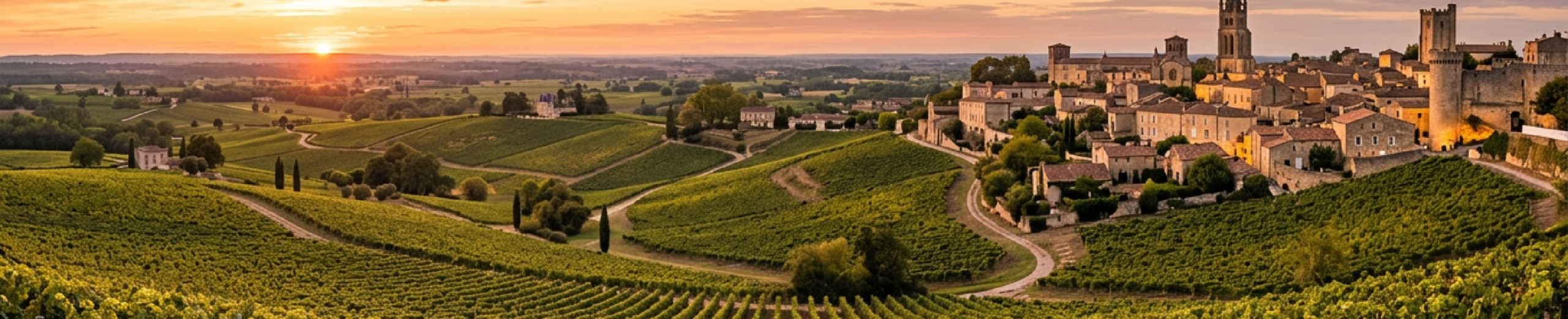
A thousand-year-old winemaking tradition
The history of Saint-Émilion wines belongs to one of France’s oldest winemaking traditions. Nestled at the heart of the Bordeaux vineyards, this land has enjoyed an exceptional terroir for centuries, shaped by clay-limestone soils and an ideal exposure. As early as Roman times, the vine was cultivated with care here, giving rise to wines renowned for their elegance and depth.
Over time, generations of winegrowers have preserved this heritage while refining their techniques. Today, the Saint-Émilion and Saint-Émilion Grand Cru appellations carry on this unique history, where tradition, craftsmanship and passion come together to produce wines of great aromatic richness.
A terroir shaped by history
In the Middle Ages, Saint-Émilion wines grew in reputation thanks to trade with England. The quality of the wines produced on these lands quickly helped make the region one of the major winemaking centres of Bordeaux.
Over the centuries, estates became more structured, growing methods evolved and the notion of terroir became central to winemaking. This long history explains the diversity of styles found today among Saint-Émilion wines, always guided by a search for balance, finesse and character.
The legacy of renowned craftsmanship
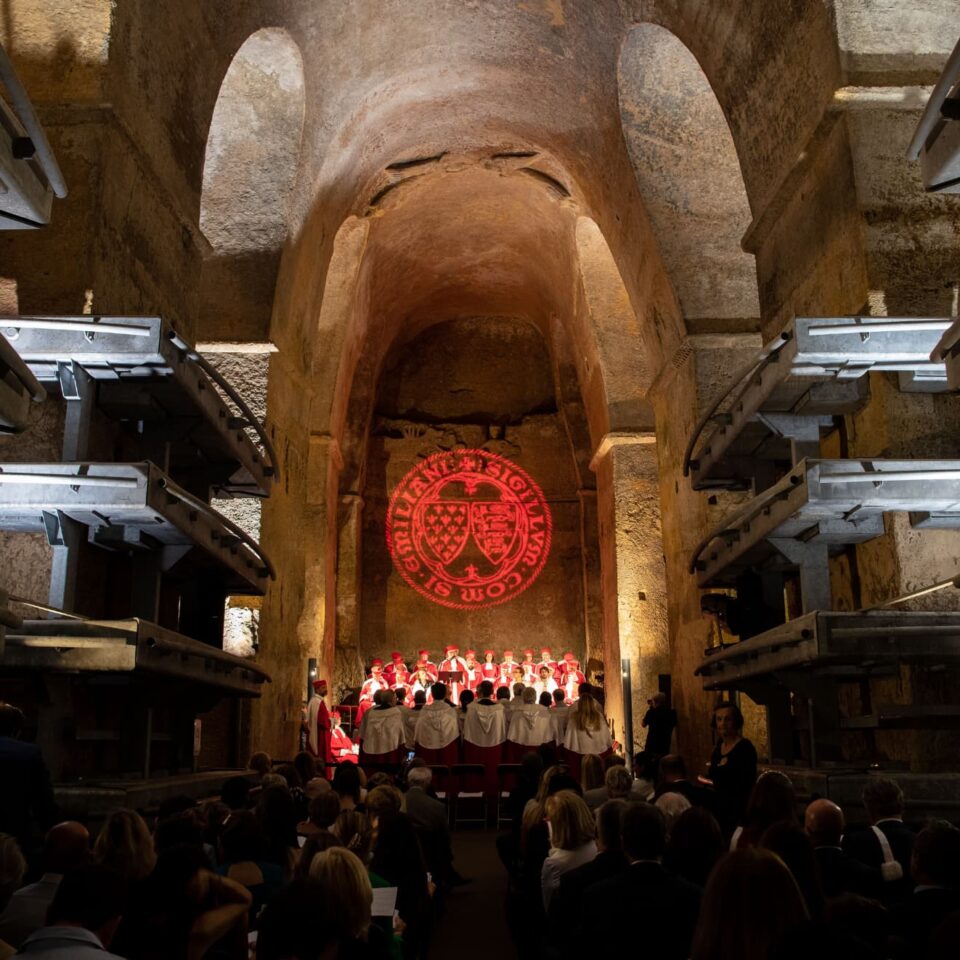
Even today, Saint-Émilion’s winegrowers carry on this legacy, tending their vines with rigour and respect for the terroir. The appellation is distinguished by its famous Grands Crus classification, established in 1955 and regularly revised to recognise its most outstanding estates.
This living tradition continues to bring Saint-Émilion wines renown across the world, bearing witness to an exceptional winemaking heritage and a craft passed down from generation to generation.